Where to Start Reading The Bible: How to Make Bible Reading Stick (With Grace for When It Doesn’t)
You know you should read your Bible.
You’ve started before—maybe on January 1st with grand plans to read through the whole thing. Or maybe you downloaded a reading plan app that sent you cheerful notifications for about three days before you started swiping them away.
And now? That Bible on your nightstand has become a quiet reminder of one more thing you’re not doing right.

If that’s you, can I just say—you’re not alone. Not even close. And here’s what I really want you to know: The goal isn’t perfection. It’s connection with God. The Bible wasn’t given to us as a test we can fail. It’s an invitation to know the One who loves us.
So if you’ve been wondering where to start reading the Bible—or how to actually make it stick this time—let’s figure this out together. No shame, no impossible standards. Just practical steps and a whole lot of grace.
Why Bible Reading Feels So Hard (And Why That’s Normal)
Can we just be honest for a second? Bible reading can feel genuinely difficult.
Not because you’re spiritually failing. But because it’s an ancient text written in a different time, culture, and context. The entire Bible isn’t arranged like a modern book—it’s organized by different types of writing (history, poetry, prophecy, letters), which can make it confusing when you’re just starting out.
Maybe you’ve experienced some of these:
- It feels overwhelming. Where do you even start? Genesis? Revelation? Somewhere in the middle?
- It doesn’t always make sense. The language can be confusing, and you’re not sure what half the cultural references mean.
- You can’t seem to build the habit. You start strong, miss a few days, and then the guilt spiral begins.
- It feels like an obligation. Something you should do, not something you actually want to do.
If any of these resonate, you’re in good company. Even people who deeply love Scripture started somewhere. And honestly? They still have seasons where it feels hard too.
Here’s what I want you to remember: Bible reading isn’t about checking a box. It’s about hearing from God.
Psalm 119:105 says, “Your word is a lamp to my feet and a light to my path.” Notice it doesn’t say a spotlight that illuminates the entire journey at once—it’s a lamp. Enough light for the next step. That’s all you need.
So if the all-or-nothing approach hasn’t worked, what does?
Where to Actually Start Reading the Bible
Here’s a secret that might save you a lot of frustration: don’t start at Genesis.
I know, I know—it’s the beginning of the book. It makes logical sense. But the Bible isn’t arranged in the order events happened. Genesis begins with the beautiful story of creation and God’s plan for redemption. But it quickly moves into genealogies, laws, and detailed historical context that can feel confusing without background knowledge.
Many people who start at Genesis give up somewhere around Leviticus, feeling like they’ve failed. You haven’t failed. You just started in a tricky spot.
Start With Jesus
The whole Bible points to Jesus—so why not start with Him?
I recommend beginning with the Gospels—Matthew, Mark, Luke, or John. These four books tell the story of Jesus’s life, teaching, death, and resurrection from different perspectives. Think of them as four witnesses all describing the same incredible person.
Here’s why the Gospels are a great starting point:
- Mark gives you a quick, fast-paced overview of Jesus’s life and ministry
- John is known as the “love gospel”—it’s deeply personal and focuses on who Jesus is
- Matthew includes Jesus’s most famous teaching: the Sermon on the Mount (chapters 5-7)
- Luke tells the story with careful detail and includes unique parables
After the Gospels, you can read Acts (the story of the early church), and then the letters Paul wrote to different churches. These letters are practical, real-life guides for following Jesus.
But for now? Start with Jesus.
John 3:16 says, “For God so loved the world that he gave his one and only Son, that whoever believes in him shall not perish but have eternal life.” That’s the heart of everything. Start there.
Best Books of the Bible for Beginners
Not sure which book to pick? Here are my top recommendations:
1. The Gospel of John
This is my number one recommendation for anyone asking where to start reading the Bible.
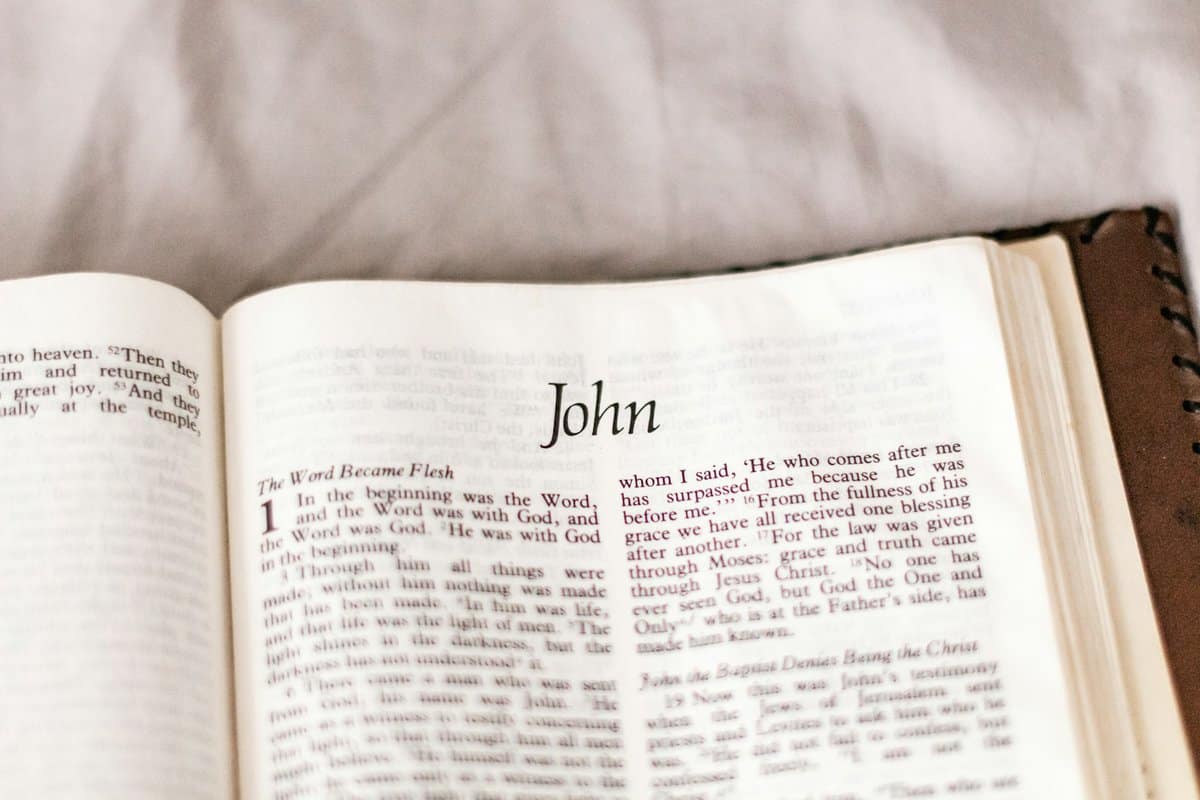
John was written specifically so “you may believe that Jesus is the Messiah, the Son of God, and that by believing you may have life in his name” (John 20:31). It’s designed to introduce you to Jesus—who He is, what He said, and why it matters.
How to read it: One chapter at a time. No pressure to speed through it.
2. Psalms (for when life is hard)
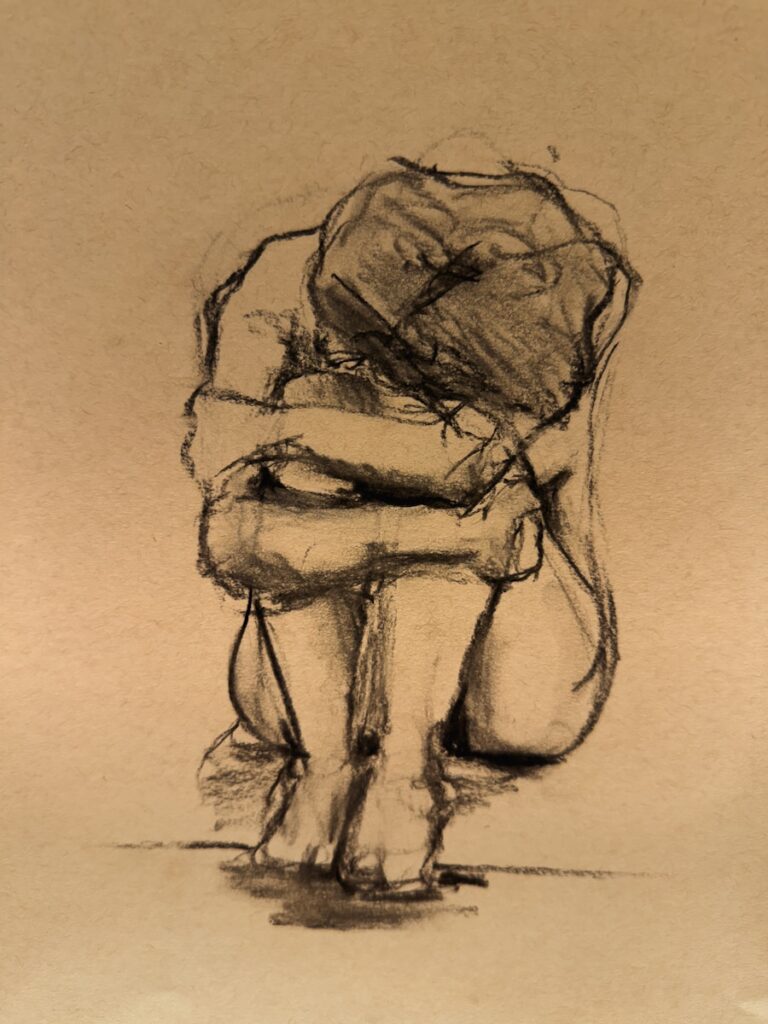
The Psalms are raw, honest prayers. You’ll find anger, grief, joy, desperation, and praise—often in the same psalm.
When you’re not sure what to read, pick a psalm based on what you’re feeling that day:
- Psalm 23 for comfort
- Psalm 51 for confession
- Psalm 100 for gratitude
- Psalm 139 for identity
3. Proverbs (for practical daily wisdom)
Proverbs offers bite-sized wisdom that applies to real life—relationships, money, words, integrity.
Simple approach: Read the chapter that matches today’s date. On the 15th? Read Proverbs 15.
4. James (for understanding faith in action)
James is short (only five chapters), practical, and clear. It’s perfect for understanding what following Jesus looks like in everyday life.
Try this: Read one chapter per week and really sit with it.
Not sure which to choose? Start with John. Read one chapter, then ask yourself: What did this show me about who Jesus is?
Psalm 34:8 invites us to “taste and see that the Lord is good.” This is an invitation to experience God, not just know about Him. You don’t have to understand everything to begin.
How to Make Bible Reading Actually Stick
Knowing where to start is one thing. Actually building the habit is another.
Here are practical tips that work in real life—not just in theory. And trust me, I’ve learned most of these the hard way.
1. Start Absurdly Small
Five minutes is better than zero minutes. One verse is better than no verses.
Give yourself permission to start with what actually feels doable. When I was starting out, I read one paragraph before my coffee finished brewing. That was it. And it counted.
2. Anchor It to Something You Already Do
This is called “habit stacking”—connecting a new habit to an existing one. Some ideas:
- With your morning coffee
- Before you check your phone
- During your lunch break
- As part of your bedtime routine
The key is making it easier to do than not do.
3. Have a Physical Bible (Not Just an App)
There’s something about holding a physical Bible that minimizes distractions. No notifications pulling your attention away.
That said, if an app is what you’ll actually use? Use the app. Grace over perfection, always.
Whatever you use, keep it visible. Kitchen table, bathroom counter, nightstand—wherever you’ll actually see it.
4. Read With a Pen in Your Hand
Circle what stands out. Underline what confuses you. Write questions in the margins. Mark verses that comfort you.
This makes reading interactive, not passive—and you’ll be surprised what you notice when you’re engaging with the text.
5. Ask One Simple Question
You don’t need a seminary degree to get something from Scripture. Just ask:
What does this show me about who God is?
Or: What is one thing I can take into my day?
It doesn’t have to be profound. It just has to be something.
6. Use a Simple Reading Plan (Not a Rigid One)
There’s a difference between structure and a straitjacket. A good reading plan gives you direction without demanding perfection.
Give yourself grace to skip, restart, and adjust as needed. Remember: You’re not trying to impress God. You’re getting to know Him.
Matthew 4:4 tells us we need God’s word like we need food. And think about it—you eat food daily in small portions, not once a year in giant amounts. Your Bible reading can work the same way.
7. Pray Before You Read
Before you open your Bible—whether it’s a well-worn favorite or an app on your phone—pause and ask the Holy Spirit to guide you.
A simple prayer like this works: “God, help me understand your Word and see Jesus more clearly today.”
That’s it. You don’t need fancy words. Just an honest invitation.
What to Do When You Don’t Understand What You’re Reading

Let me give you some relief: it’s okay not to understand everything.
The disciples walked with Jesus daily and still didn’t always get it. Understanding grows over time. Some passages you’ll come back to years later, and suddenly they’ll click.
Here are some simple tools that help:
Study Bibles: These include notes that explain context, word meanings, and application. The ESV Study Bible and NIV Life Application Bible are great options.
Different Translations: Try reading the same verse in multiple versions. NIV is easy to read, ESV is more literal, and The Message is a paraphrase that can bring clarity.
Free Online Resources:
- BibleProject offers incredible visual overviews of each book
- Blue Letter Bible helps with word meanings
- Bible Gateway lets you compare translations side-by-side
Ask Someone: An older Christian friend, a small group leader, or a trusted pastor can help you work through confusing parts.
When you hit something confusing, write down your question—but keep reading anyway. Don’t let one unclear passage stop your whole journey. Questions don’t disqualify you from Scripture. They’re part of the process.
I still don’t understand everything I read in the Bible. But I understand more this year than last year. And that’s how it works.
Grace for When It Doesn’t Stick (Because Sometimes It Won’t)
Here’s the truth: you will miss days.
Life happens. Kids get sick, schedules implode, exhaustion wins. And that’s okay.
Missing a day doesn’t erase your progress. God’s love for you doesn’t fluctuate based on your Bible reading streak. The goal is relationship, not rule-keeping.
When you miss a day—or a week, or a month—here’s what to do: just start again.
No guilt spiral required. No starting over from page one. Just pick up where you are, today.
I’ve restarted my Bible reading more times than I can count. Different seasons bring different challenges. When life was overwhelming, I went back to reading just one psalm. When I had a little more margin, I could do more. Both seasons counted. Both were enough.
God isn’t keeping score. He’s keeping His arms open.
You’re Not Behind—You’re Starting
So friend, wherever you are in this journey—whether you’ve never really read the Bible or you’re trying to restart for the hundredth time—you’re not behind.
Start where you are. Start small. And trust that the God who inspired these words will meet you in them.
Maybe that means opening to the Gospel of John tonight and reading one chapter. Maybe it means downloading a Bible app and setting a reminder. Maybe it means putting your Bible somewhere you’ll see it tomorrow morning.
Whatever your first step is, it’s the right one. Because showing up matters more than getting it perfect.
The Bible isn’t just a good book. It’s the way we hear God’s voice, understand His heart, and find direction for our lives. And He’s not waiting for you to have it all figured out before you open it. He’s inviting you to come as you are—questions, doubts, confusion, and all.
So let’s do this. Together. One verse, one chapter, one day at a time.
Praying for you,
Katie
Latest Posts
- When Prayer Feels Empty: Finding God When the Words Run Dry

- Does Prayer Have to Be Out Loud? (And Other Questions You’ve Been Afraid to Ask)
- What to Pray When You Don’t Know What to Say: A Complete Guide to Finding Your Words
- 100 Powerful Short Prayers for Every Situation You Face
- How to Pray to God (When You Literally Don’t Know Where to Start)
- Bible Reading Plan for Beginners: Biblical Foundation Explained Simply